Aliestre Vineyards
Aliestre is not a place; it’s the beginning of a sentence. A winery on historic ground. A name like something from a lost novel. And wines that read like chapter titles. Everything begins with marble – and ends with a mark.
Background
In Alentejo, beneath the vine roots, lies no ordinary stone, but marble. The marble of Estremoz – used in Versailles, laid on the Titanic. That’s where Carsten Kullik – Berlin-based entrepreneur and wine collector – acquired Quinta da Esperança and shaped it into a winery with real attitude.
Brief
No name. No logo. No story. No tradition to lean on. Only an extraordinary vineyard – and the freedom to invent everything from scratch. In an intensive brand workshop with the founding team, we defined the essentials: values, tone of voice, imagery, attitude. The goal: to create a brand that unites terroir, personality, and vision – and stays in mind as much as it stands out on the shelf.
Solution
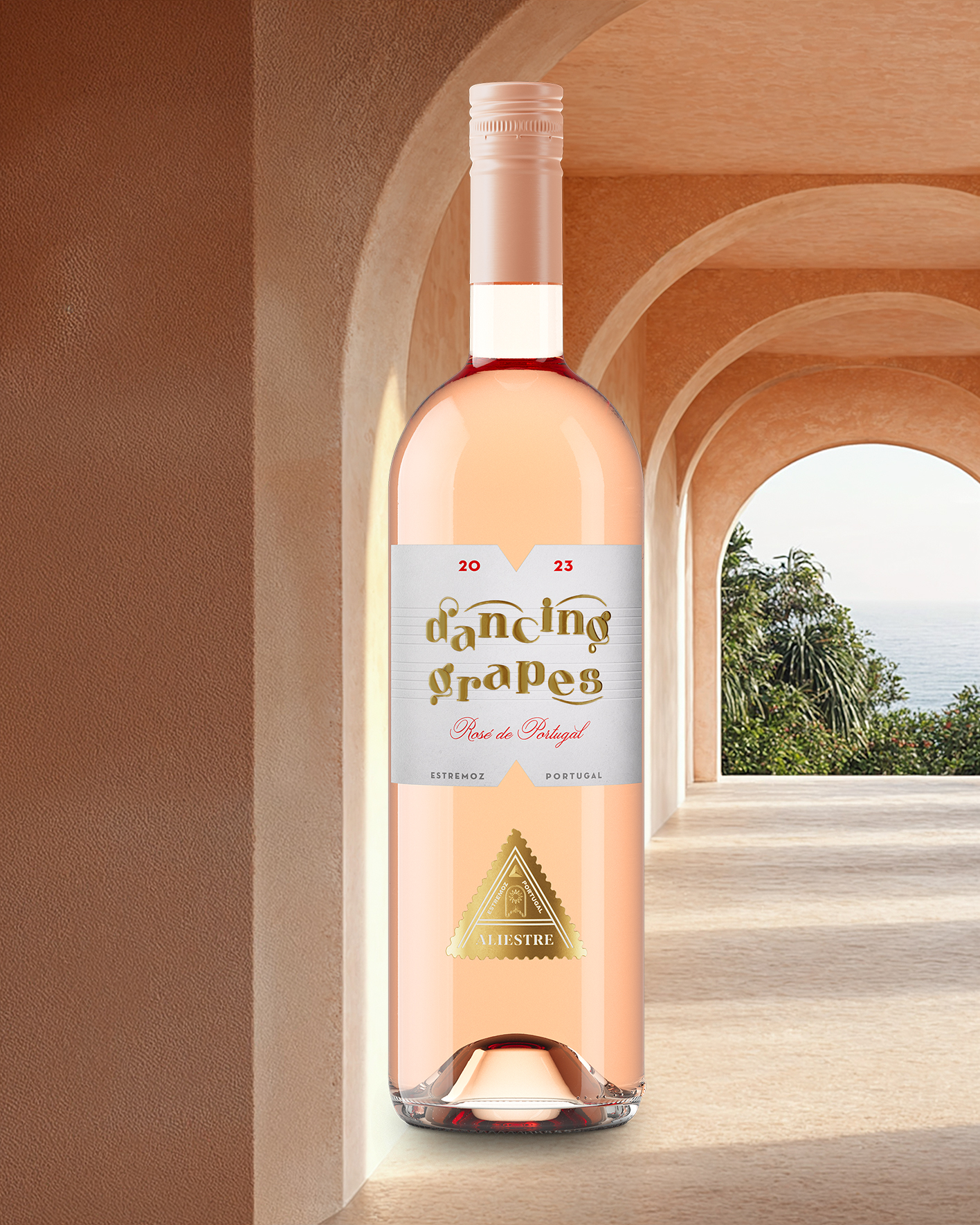
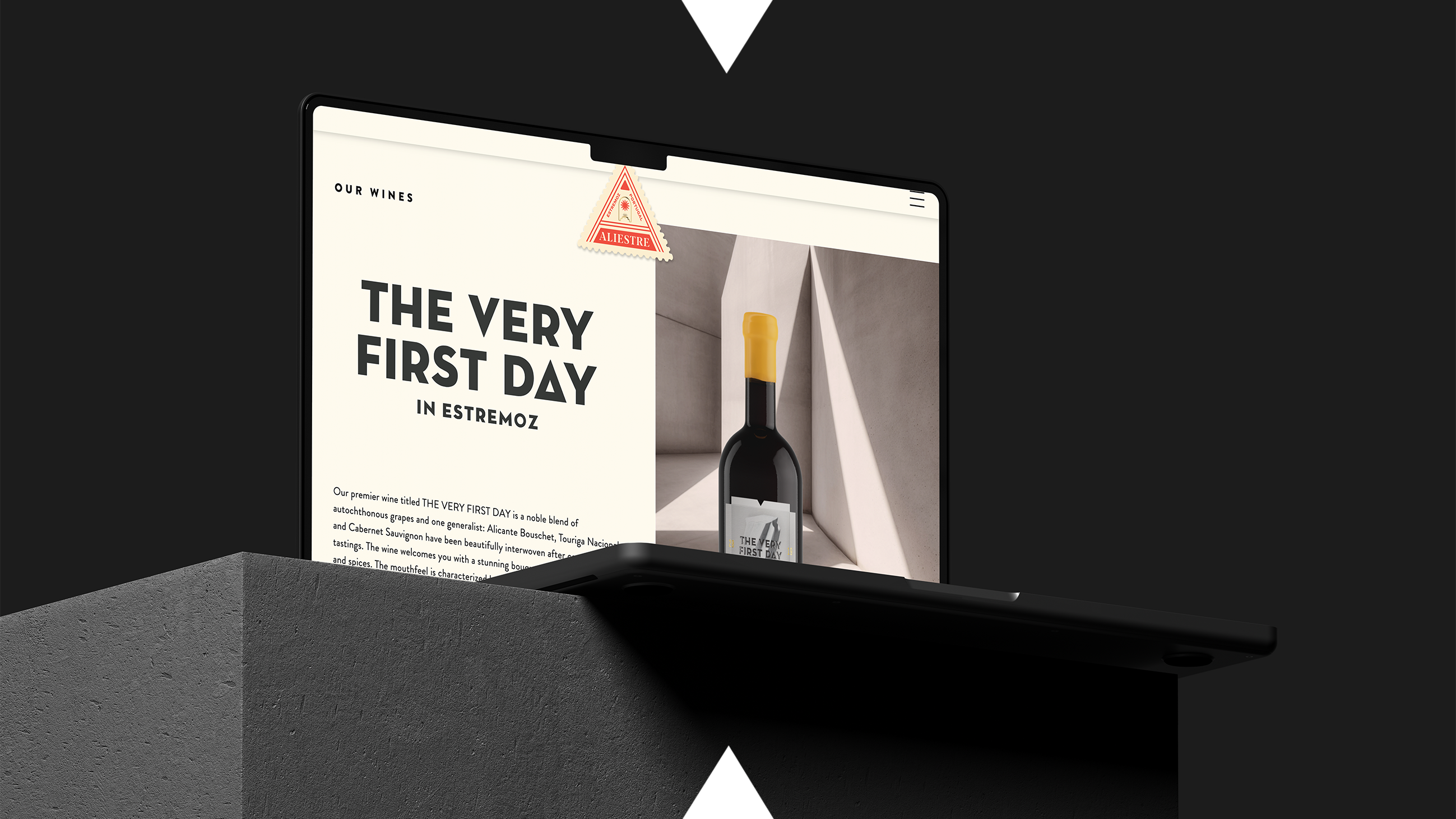
Marble, the defining terroir, was strategically positioned as the main character. The triangular stamp mark breaks convention, creating instant recognition – on the shelf, online, in memory. Everything follows a cohesive concept born from workshop insights and creative boldness. The name Aliestre became the frame for a wine world whose cuvées carry programmatic, emotional names.
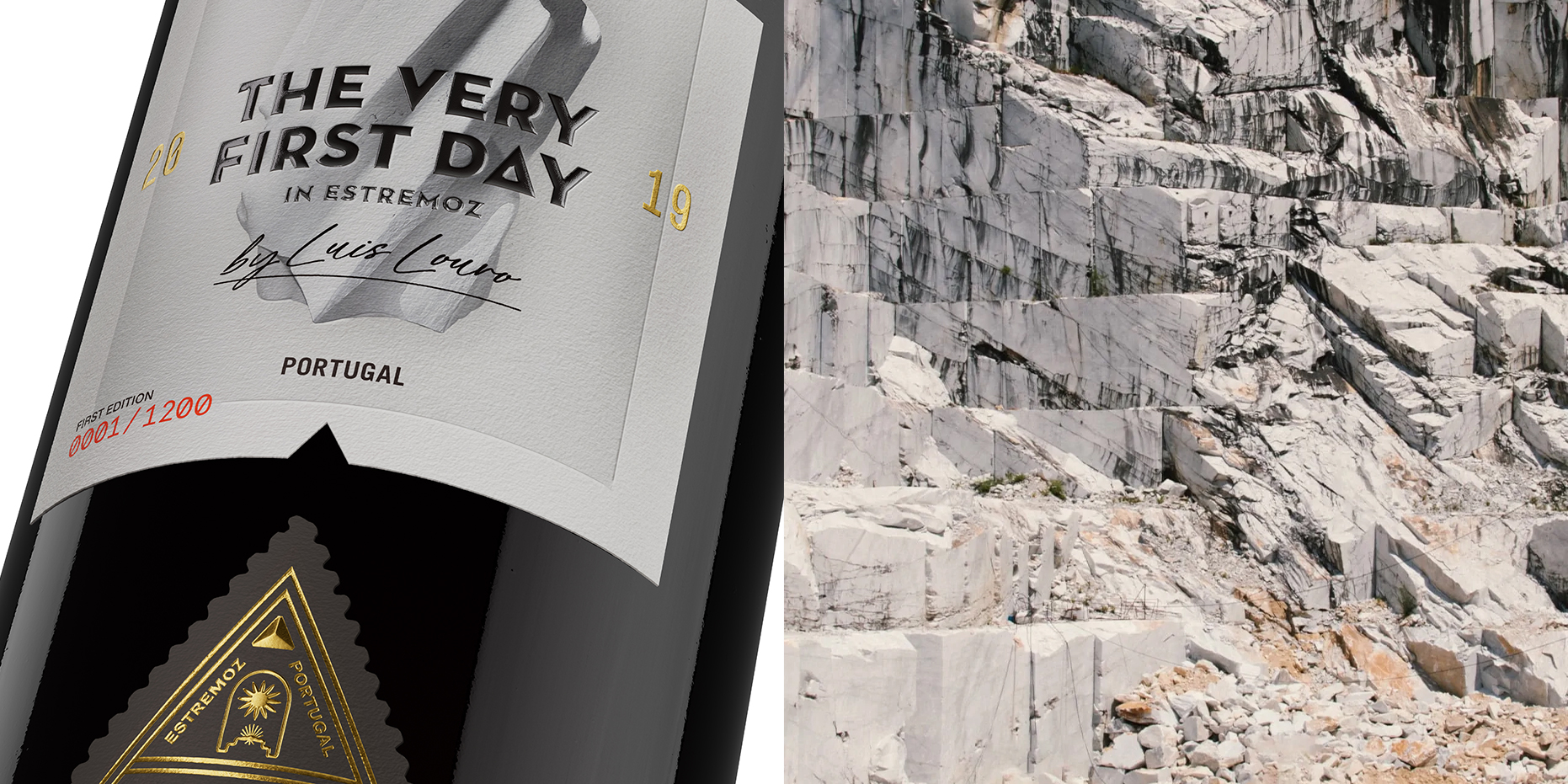

Marble is not just stone or a geological fact – it’s a semantic treasure; a promise. We lifted it from the soil into the brand concept as a leitmotif, a statement, a signature.
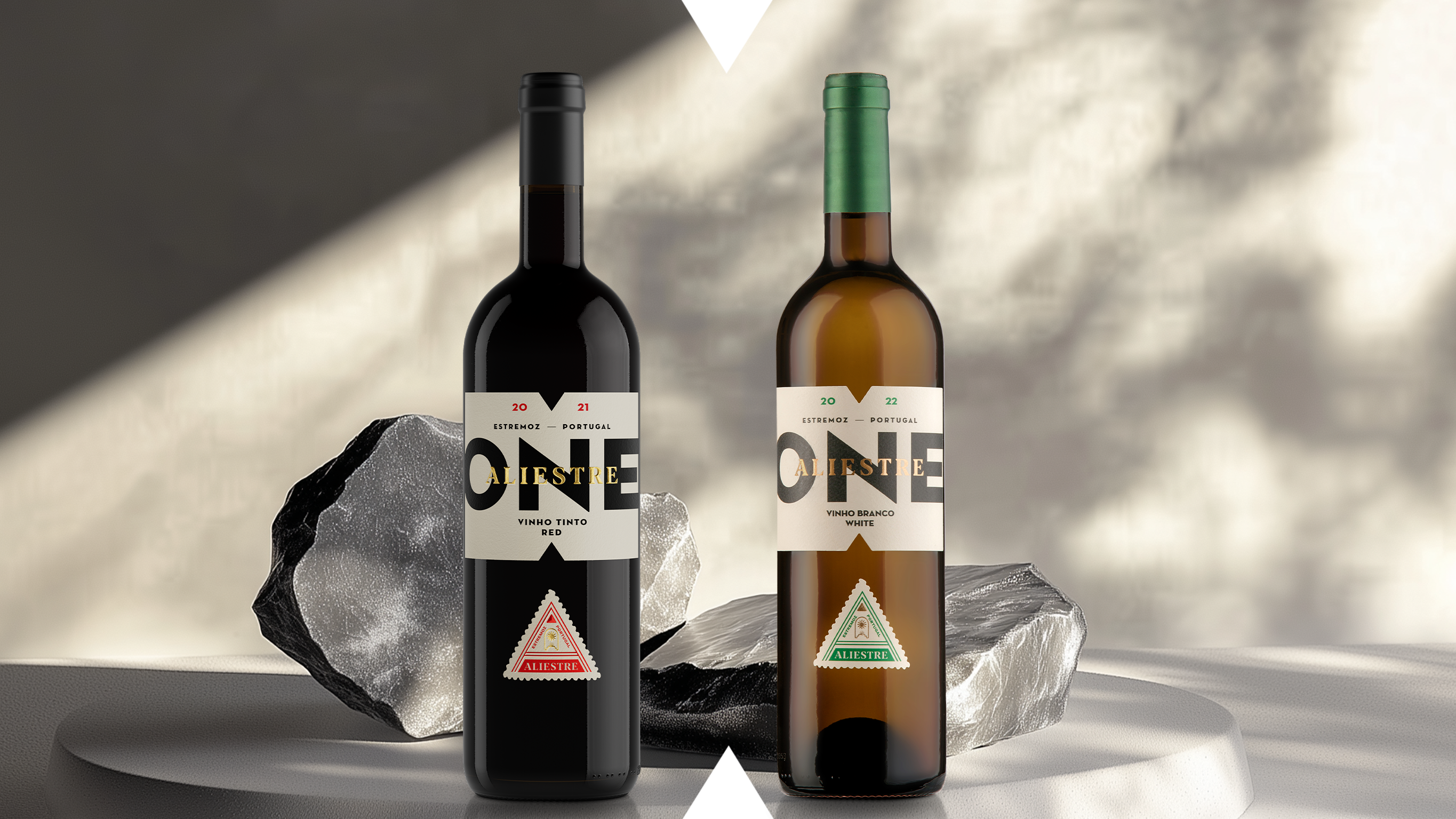

Aliestre has no standard label, but a triangular stamp instead. A visual signal that stays in system that holds across series – not loud, but unmistakable.
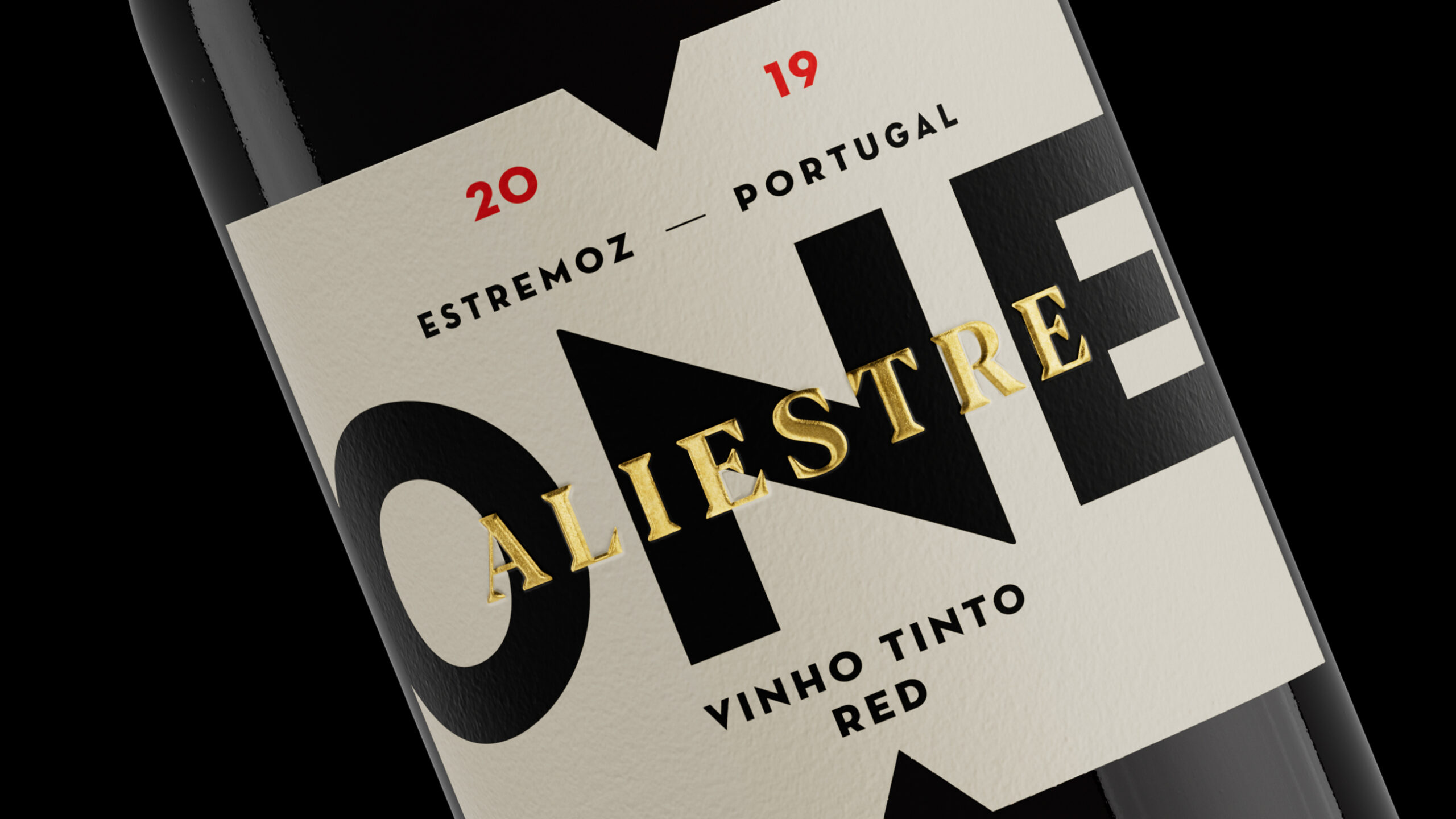
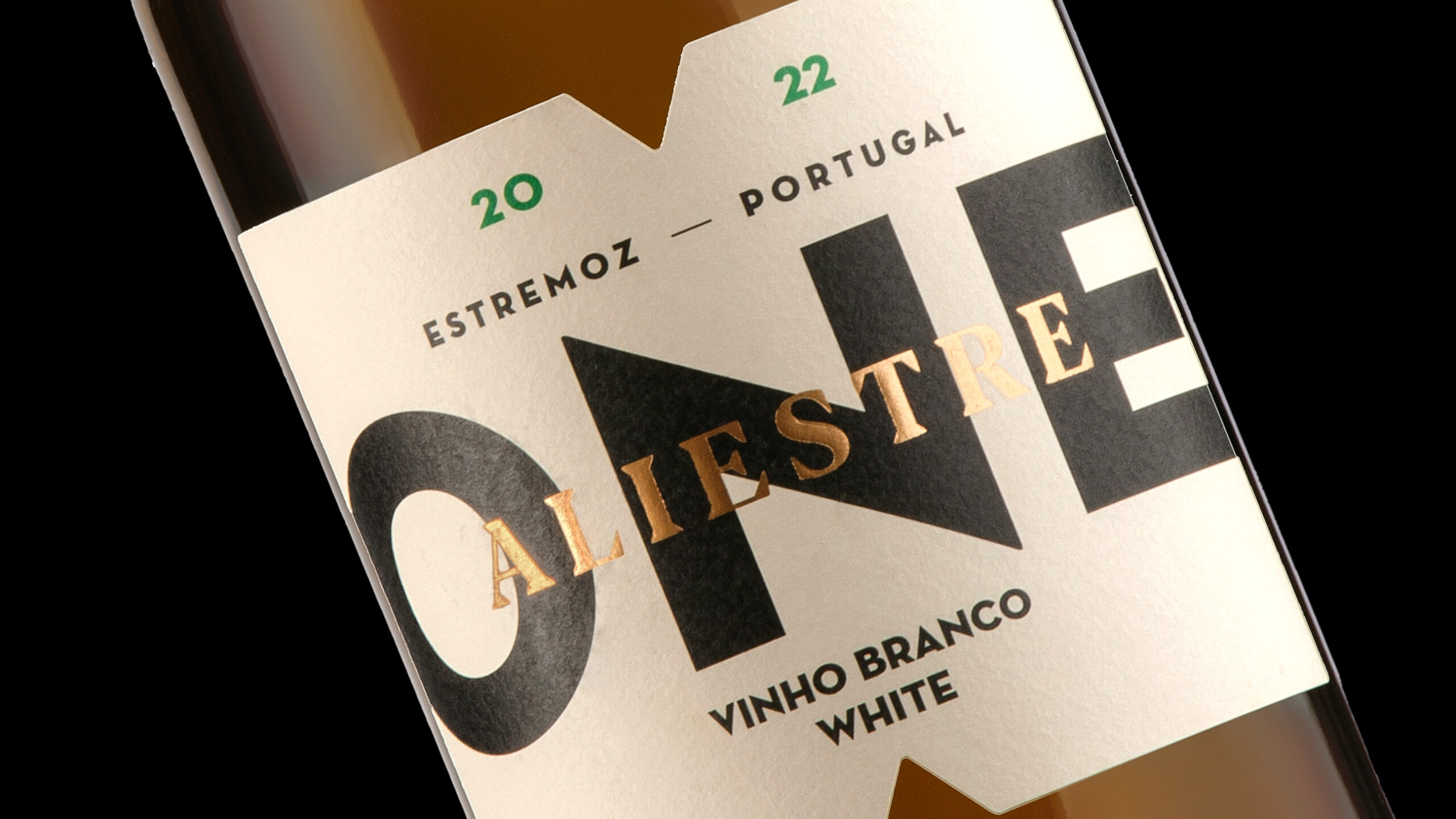
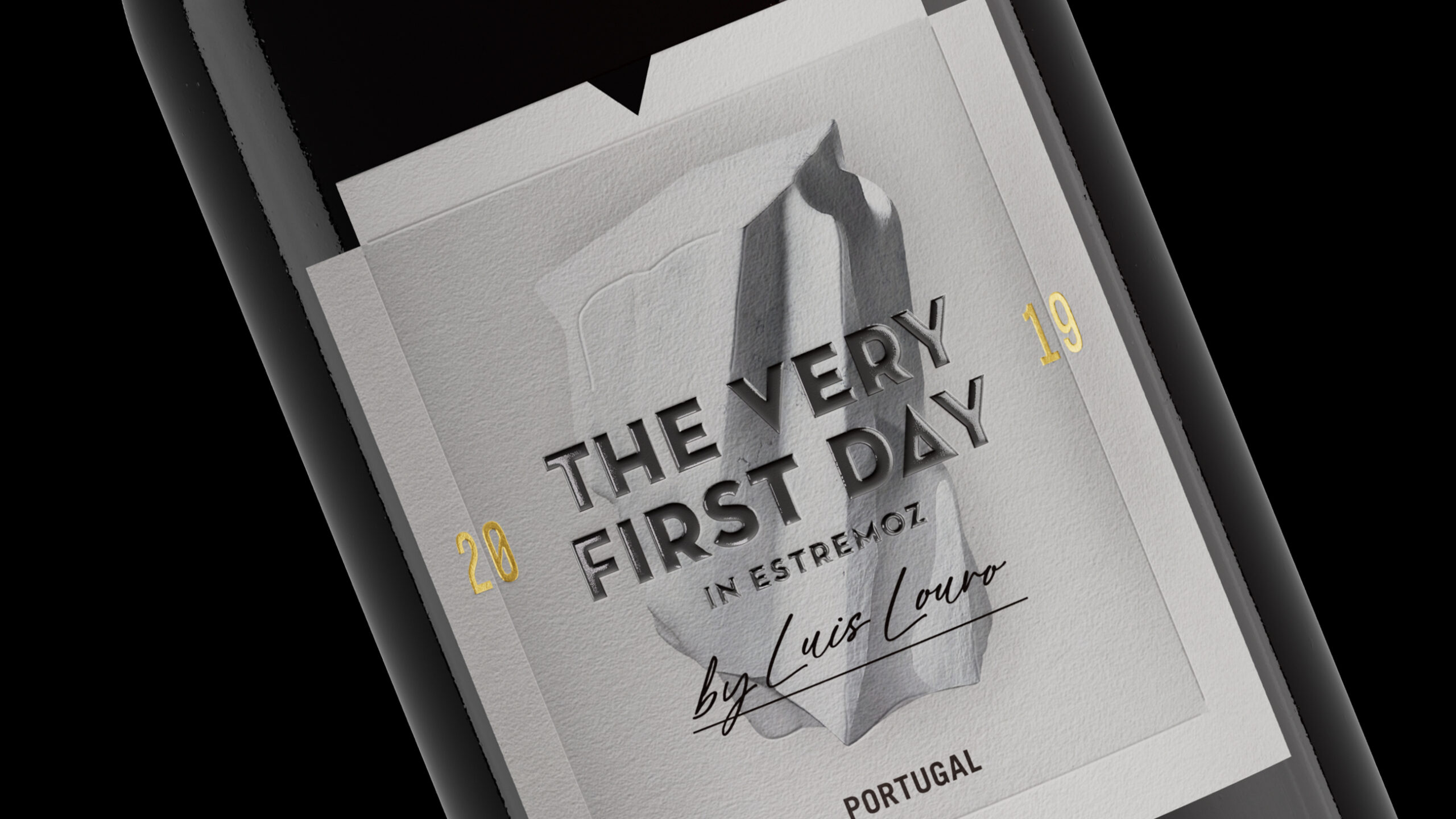
Photos: Aliestre, Ruska Martín
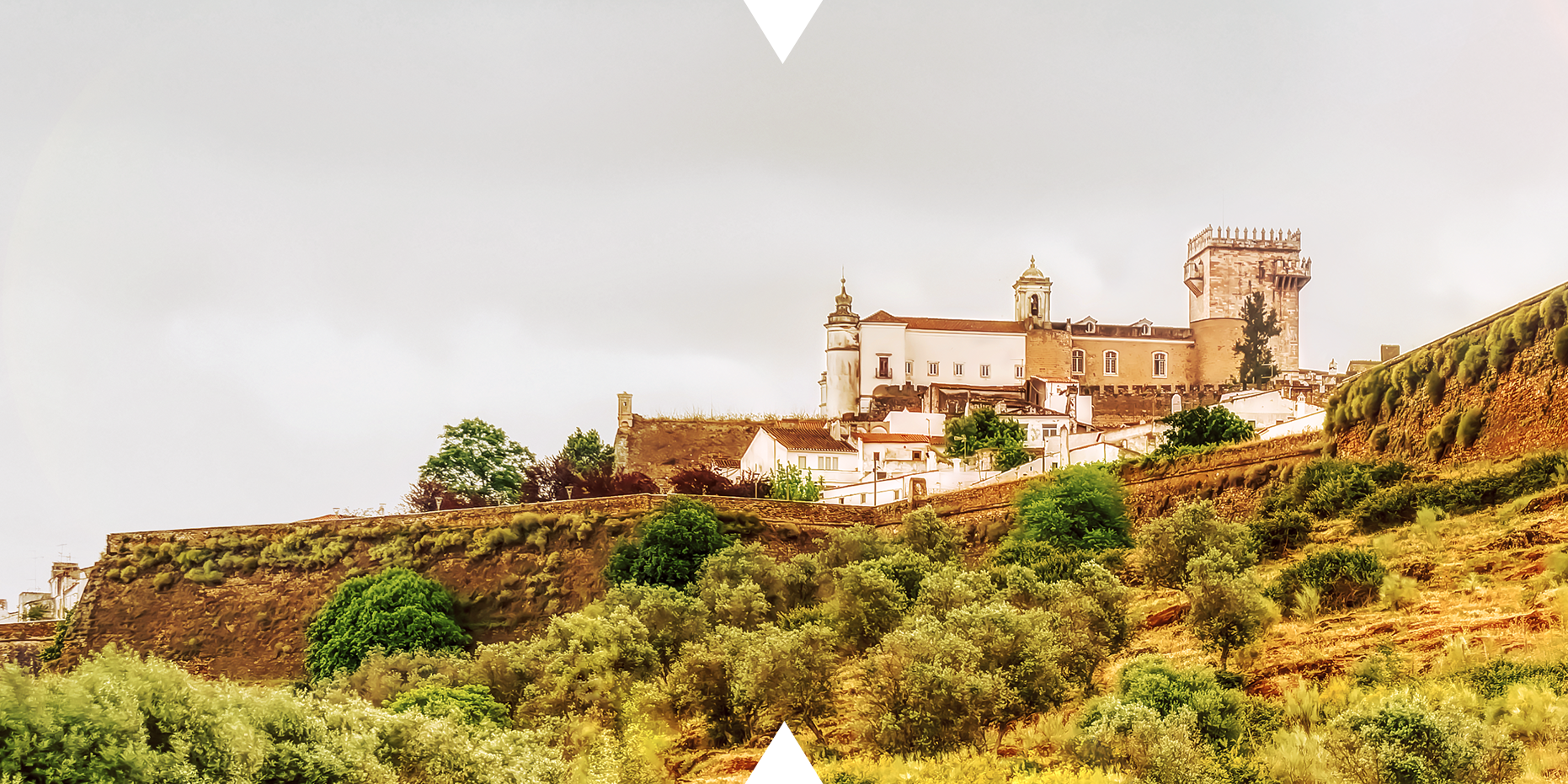
Naming with tectonic resonance
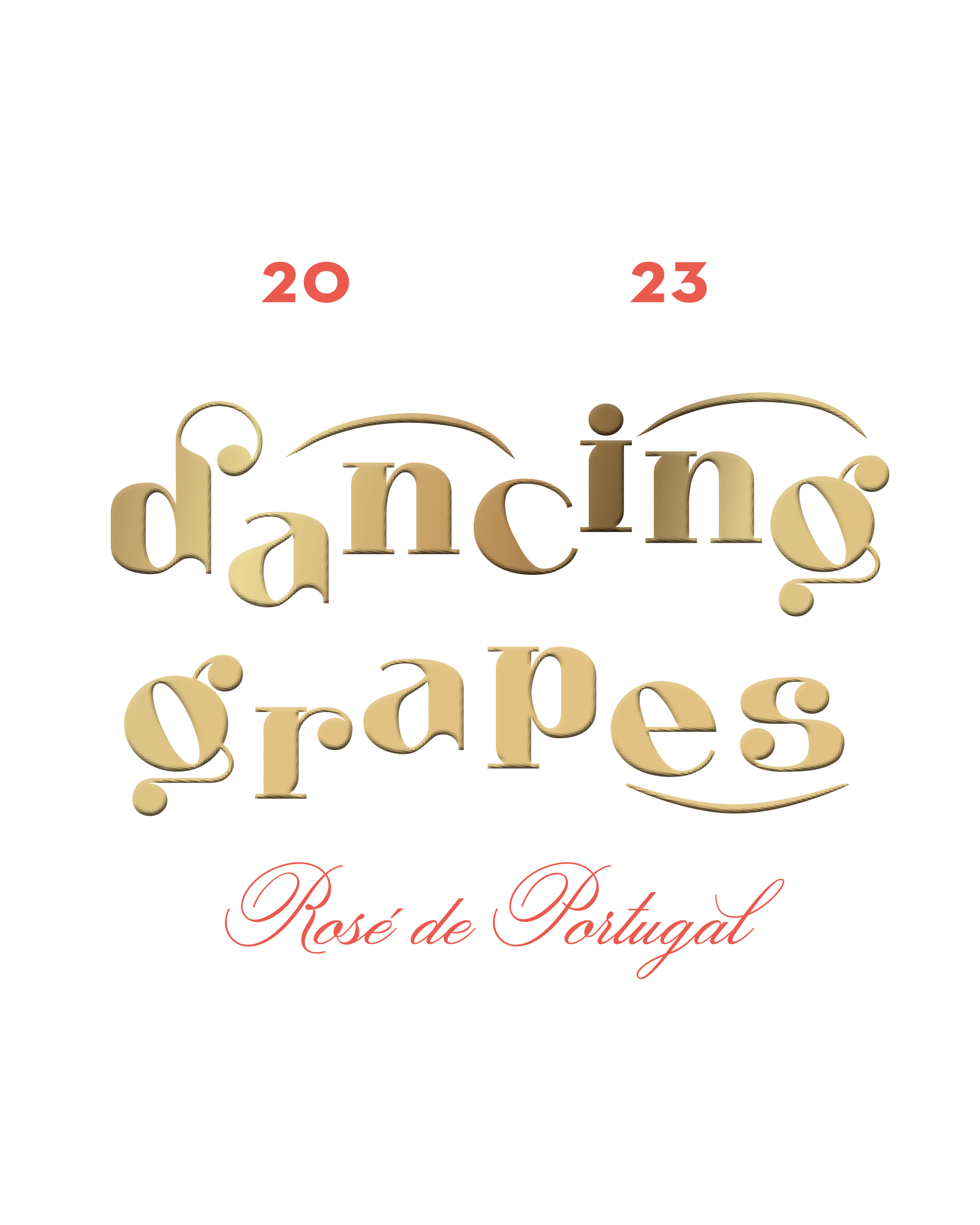
We didn’t just name the winery – we gave it a semantic landscape. “Aliestre” sounds like a place you can never fully grasp – yet never forget. Ans so, the wine names work like chapters: programmatic, poetic, never arbitrary. Each wine is a fragment of a larger narrative – inspired by literature, music, cinema, and the makers’ own stories.
Hungry for more?
See related cases.